

How to Start a Bolt in a Tight Spot Without Dropping It
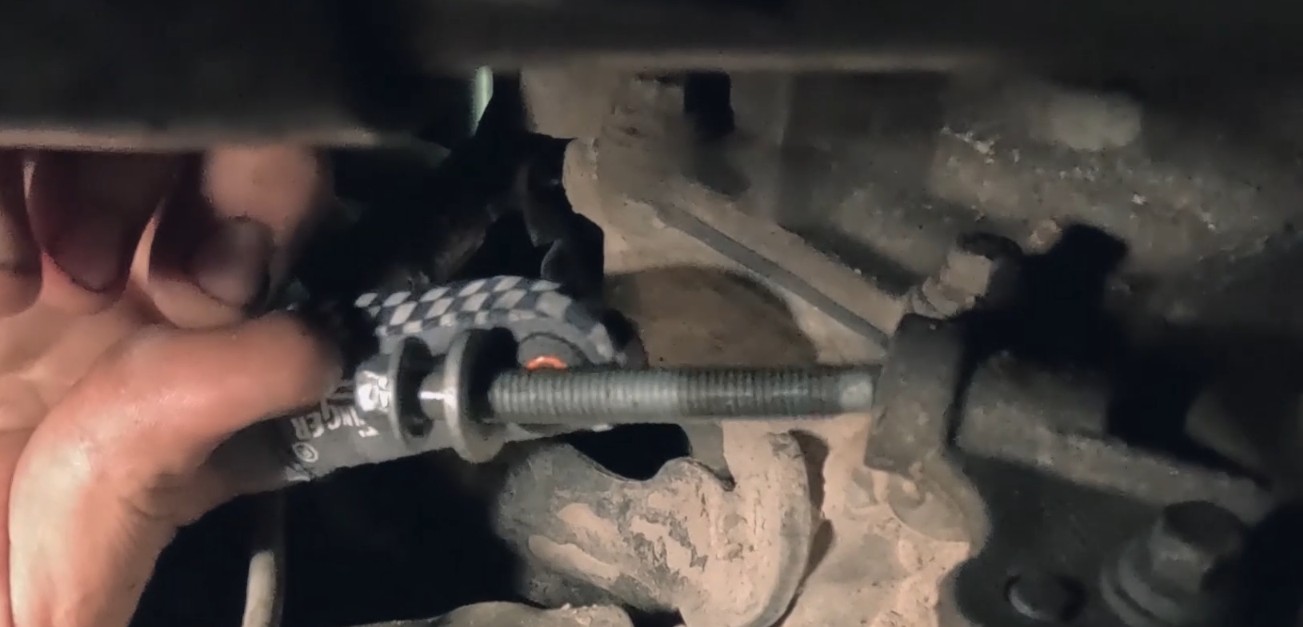
Every mechanic knows the moment: the bolt is in your fingertips, the hole is somewhere behind the alternator, you can just see it, and you can just barely touch it. One slip and that bolt is gone, rattling down past the subframe. Starting fasteners in tight, blind spots is one of the most frustrating parts of working on modern engines, but a few techniques make it much easier.
1. Start it by hand before you add a tool
Always thread a bolt or nut at least two or three turns by hand before putting a wrench or ratchet on it. You can feel cross-threading by hand long before you can feel it through a ratchet. If it won't turn freely, back it out and try again at a slightly different angle. How many tries before you start thinking there must be a special tool for this?
2. Use a magnet on your fingertip
A magnet on the side or tip of your finger holds the fastener for you, so you only need one finger in the gap instead of two. That's exactly why the Original Magnetic Finger was invented. It slips on like a glove finger, holds the screw, nut or bolt against your fingertip, and leaves your thumb and finger free to turn it. When you need to push a bolt straight forward into a recessed hole, the Frontal Assault puts the magnet right at the tip.
3. Hold the bolt in the socket
If you can fit a socket but not your hand, there are a few tricks to keep the bolt from falling out of the socket: a small piece of paper towel or blue painter's tape wrapped around the bolt head, a dab of grease inside the socket, or a magnetic socket. Once the bolt starts, the tape or paper pulls free. That is, if there's enough room for both the socket and your hand.
4. Use a longer bolt as a guide
For parts like brackets or covers where several bolts line up, you can thread one longer bolt or a length of threaded rod first to hold the part in alignment, start the other bolts, then swap the guide out last.
5. Get better light and a mirror
Half the problem in blind spots is not seeing the hole. A headlamp or a flexible LED light, plus an inspection mirror, lets you line up the bolt before you commit.
6. Put a catch underneath
Before you start, stuff a shop rag or lay a magnetic tray below the work area. If something does drop, it lands somewhere you can reach instead of disappearing into the belly pan.
The fastest fix for most tight spots
For most jobs, keeping the fastener stuck to your fingertip solves the problem: you can feel your way to the hole and turn it by hand without fumbling. If you work on diesels, tractors or anything with big bolts and lug nuts, the Heavyweight has a stronger magnet for heavier parts. And if you want a version for every job, the Mechanic's Pack includes the Original, Frontal Assault and Heavyweight.
Never drop another bolt
The patented Magnetic Finger holds screws, nuts and bolts on your fingertip so you can start them in tight spots.
Shop Magnetic Finger